


Autumn Budget 2026 – how will it impact your business?
Navigating the 2026 Budget: Practical Steps to Protect Your SME’s Profit Margins
This blog was written by Jo Tomlinson of Business Works.
When a new Budget lands, the headlines tend to focus on the big political picture. For small and medium-sized enterprises (SMEs), though, the real question is much simpler: What does this actually do to my bottom line, and what do I need to change?
1. Rising Wage Costs: National Minimum Wage Increases
From 1 April 2027, the National Minimum Wage rises by 3.9% across the board:
- 21 and over (National Living Wage): Rising by 50p from £12.71 to £13.21 per hour
- 18 to 20: Rising by 42p from £10.85 to £11.27 per hour
- 16 to 17 & Apprentice Rate: Rising by 31p from £8.00 to £8.31 per hour
What to watch out for: Don’t just calculate the direct hourly jump. Factor in the knock-on effects on Employer’s National Insurance, pension contributions, and pay differentials for staff sitting just above the minimum wage.
2. Side Hustles & Online Selling Platforms
If you earn casual income or sell via digital marketplaces, several rule changes are reshaping how income and VAT are tracked:
- Trading Allowance Boost: In April 2027 (for the 2027/28 tax year), the tax-free Trading Allowance rises from £1,000 to £3,000. Remember that this applies to combined gross income across all platforms and streams before platform deductions—and if you use the allowance, you cannot claim expenses.
- Platform Data Reporting: Online platforms are already legally required to report seller details (including NINO/UTR, bank dispersal details, and gross earnings) to HMRC if you complete over 30 sales or exceed £1,700 in sales value per calendar year.
- VAT Marketplace Liability Shift (October 2027): Extending rules already in place for overseas sellers, online marketplaces will be deemed the “shopkeeper” for UK-established businesses from October 2027. They will collect and pay VAT directly to HMRC for VAT-registered sellers, and step in to collect VAT if a non-VAT-registered seller crosses the £90,000 threshold on their platform.
- Watch the Multi-Platform Loophole: If you sell across multiple platforms and stay under £90,000 on each individual site, the platforms won’t collect the VAT—meaning the legal burden to register and pay still sits squarely with you.
3. Business Rates: Relief for High Street & Hospitality, Increases Elsewhere
Business rates support continues to split sharply by sector:
- Retail, Hospitality & Leisure (RHL): The threshold for 100% exemption rises to rateable values under £18,000, tapered relief extends up to £21,000, and businesses slightly above £21,000 benefit from a rates freeze.
- Pubs, Social Clubs & Live Music Venues: Eligible venues receive an increased 35% discount (up from 15%) for 2027/28 and 2028/29, subject to a £1m rateable value cap.
- All Other Sectors: Standard Small Business Rates Relief (SBRR) thresholds remain frozen at £12,000, alongside a mandatory 3.5% increase from April 2027.
4. Capital Allowances, Exits & Personal Tax Thresholds
- Assets & R&D: First Year Allowances (FYA) rise from 40% to 50%, while the main writing-down rate falls from 14% to 12%, alongside ongoing R&D streamlining.
- Business Asset Disposal Relief (BADR): Qualifying disposals (requiring 2+ years of ownership, employment/directorship, and a 5% stake) are taxed at 18% rather than 24%, but the individual lifetime allowance has dropped from £1m to £500,000.
- New Founders Relief (From April 2027): High-growth UK trading companies (minimum £10m turnover, 15+ FTEs, and meeting strict growth or R&D criteria) can access a 10% rate on up to £10m for founders who have held at least 25% of shares since inception for a minimum of five years.
- Income Tax Thresholds: No movement once again. Personal tax thresholds remain frozen at their 2021 levels, continuing to pull more earnings into higher tax bands. [1
5. Making Tax Digital (MTD) for Income Tax
MTD for Income Tax went live in April 2026 for sole traders and landlords with qualifying income over £50,000. While the first two quarterly deadlines (7 August and 7 November) have passed, HMRC is applying a first-year penalty grace period with no late-submission points for 2026/27.
In a welcome announcement for the next wave—those with qualifying income over £30,000 joining in April 2027—the Budget confirmed a soft landing for their first year as well.
Your Action Plan: Know Your Numbers and Protect Your Margin
Policy changes only become a crisis when they catch you off guard. The best response to rising costs is disciplined financial management:
- Forecast the impact: Overlay April 2027 salary rises, employer on-costs, and business rate adjustments onto your current cost base to see the exact impact on your net margin over the next 1–3 years.
- Review your pricing: When did you last put your prices up? Price increases flow straight to your bottom line. Even if volume dips slightly, you can often generate higher profit for less operational effort.
- Focus on high-margin lines: Analyse profitability by product or service group and actively push the lines that generate the strongest return.
- Trim waste—not growth: Audit subscriptions and unused services, weigh up make vs. buy or outsourcing, and review whether your current premises or staffing structure can be streamlined through automation. Crucially, avoid cutting budgets that directly drive revenue, such as marketing, or compromising on quality.
Find out more
You can find more information from the webinar here.
Autumn Budget 2026 – how will it impact your business?
When a new Budget lands, the headlines tend to focus on the big political picture. For small and medium-sized enterprises (SMEs), though, the real question is much simpler: What does this actually do to my bottom line, and what do I need to change?
Making Tax Digital for Income Tax: The First Deadline is Fast Approaching
With the introduction of Making Tax Digital for Income Tax Self Assessment (MTD for ITSA), the biggest change to the Self Assessment system in a generation is now underway. Although the mandatory start date of April 2026 has arrived for the first group of taxpayers, many self-employed individuals and landlords are still unprepared for the new requirements. Now is the time to check whether the rules apply to you and, if they do, ensure you have the right systems in place.

Autumn Budget 2025 – How will it impact your business?
The Autumn Budget, announced on 26 November 2025, introduced a range of changes that business owners need to be aware of. From updates to taxation and compliance rules, to adjustments in incentives and support schemes.
Risk and Resilience in Your Business
Running a business can be risky. There are so many things that can impact your performance, and profit. Potentially destroying all that you worked so hard to build. Some of these things are impossible to plan for, but lots of potential risks can be mitigated by identification and planning.
Business Basics – Cash Flow v Profit
Many small business owners can get confused when looking at numbers relating to their business, and often this is due to cash and profit being understood as one and the same thing. It is crucial to understand the difference between these two metrics so that decision making is not flawed.
Business Basics – Project Evaluation
Projects can be anything from taking on a new person, or launching a new product, to building a manufacturing site, or acquiring a business to merge with the current one. How you evaluate each project can vary depending on size and complexity. But undertaking the exercise leads to better decision making and control.
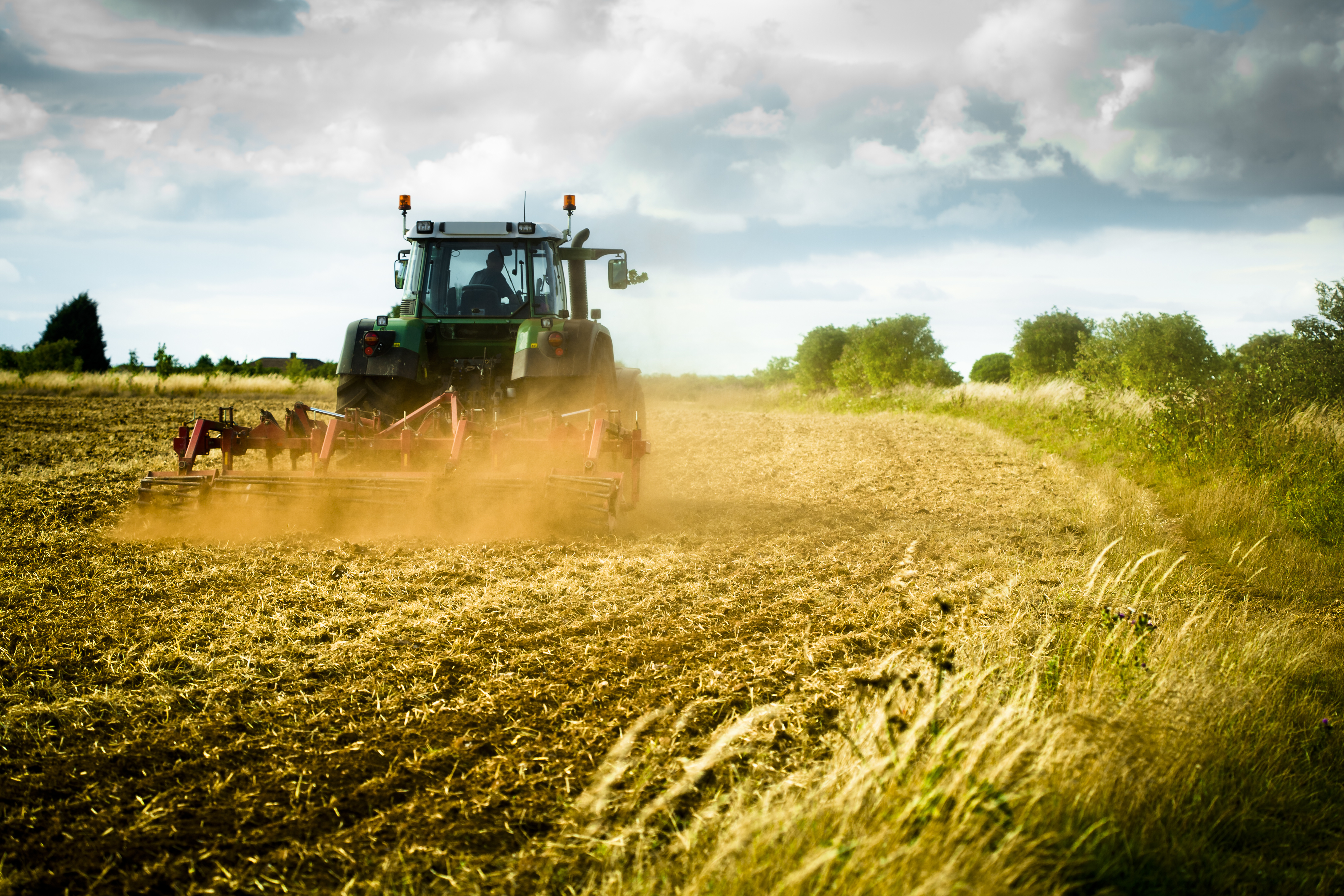
Building Resilience and Sustainability into your Farming Business
Resilience and sustainability lie at the heart of modern farm business strategies, ensuring that agricultural enterprises can withstand economic shocks, adapt to evolving environmental regulations, and maintain profitability amid climate volatility. By embedding sustainable practices, ranging from energy efficiency to regenerative soil management, farmers not only safeguard their livelihoods but also contribute to broader goals of food security and environmental stewardship.
Business Basics – Shared Ownership
Directors and shareholders of UK companies have many rights and responsibilities, but how do these change when you are one of a number of shareholders in a company?
Business Basics – Selling a Business or Shares in a Business
Being aware of your business's value enables you to determine a fair selling price for some or all of your shares and negotiate efficiently with prospective buyers. But where do you find a buyer for your shares, and what happens now?
Business Basics – How much is your Business Worth
Being aware of your business's value enables you to determine a fair selling price for some or all of your shares, negotiate efficiently with prospective buyers, and secure beneficial financing deals, among other advantages.
Business Basics - Forecasting
Although we don’t have a crystal ball, so forecasts are fundamentally informed guesses, businesses need to use them to make informed business decisions and develop business strategies.
Business Basics – Accessing Capital for Growth
Gaining access to outside investment means you don’t have to give up on your dream. So how do you prove to any potential investor that your business model is worth

Young Entrepreneur Guide
Do you have a business idea? Or do you want to work for yourself? Then the Young Entrepreneur Guide is here to help you!