


New employers: what you need to know about the National Minimum Wage
Taking on your first workers is a milestone moment for any new business. It’s important to pay your workers correctly from day one, as this helps build trust, demonstrates your commitment to treating workers fairly, and lays the foundations for a positive and productive working relationship.
The good news is there’s plenty of guidance and support available to help you get things right. Like HMRC’s free webinar for new employers on GoTo Stage – just search ‘National Minimum Wage new employers’ on the home page. This will tell you all you need to know, including information about; Payments & Deductions, Apprentices, what is classed as working time, salary sacrifice and Record Keeping.
National Minimum Wage (NMW) is more than just a rate, it’s a calculation
A worker’s hourly rate may be above the National Minimum Wage, but deductions, unpaid working time or other factors can still mean they are underpaid.
Here are some of the things to remember to make sure you get the calculation right.
1. NMW rates
These are the minimum hourly rates all businesses must pay workers in the UK. New Rates
The rates are updated every April, and it’s your responsibility to keep up with these changes to ensure your workers receive the correct pay.
| 21 and over | 18 to 20 | Under 18 | Apprentice* | |
| April 2026 | £12.71 | £10.85 | £8 | £8 |
*Apprentices are entitled to the apprentice rate if they’re in the first year of their apprenticeship or under 19 during their apprenticeship. Otherwise, they get the same rate for their age as other workers.
2. Not everything you pay counts towards the NMW
If a worker gets tips or shift premiums, or you refund their expenses, this is on top of their NMW pay. If you make deductions from pay for things like uniforms or training – or workers pay for these themselves – their hourly rate may fall below the NMW.
Look at the employer checklist on GOV.UK Here to make sure you don’t get caught out, or search ‘a checklist for employers’ on GOV.uk
3. Getting the NMW wrong isn’t just an admin issue
HMRC can carry out checks at any time. If you underpay your workers, you will have to repay arrears straight away, and you may;
- have to pay a penalty
- be publicly named by the government.
4. It’s important to keep records to show you’re paying the NMW correctly
Good record keeping helps demonstrate that you’re paying the National Minimum Wage correctly. It safeguards both you and your workers and can make any HMRC review much simpler. You must keep your records for 6 years.
More information
For general advice about NMW, you can call Acas who offer this free and confidentially. You can call the helpline on 0300 123 1100 or visit acas.org.uk – translation services are available.
Watch the webinar: Understanding National Minimum Wage – a guide for new employers | GoToStage.com
Second registration window now open for tax advisers
Registration is now open for tax advisers in the second phase of the new Modernising and Mandating Tax Adviser Registration (MMTAR) rollout. This applies to any advisers with Self Assessment or Corporation Tax accounts, but without an agent services account (ASA). They have until 18 November 2026 to register.

New employers: what you need to know about the National Minimum Wage
Taking on your first workers is a milestone moment for any new business. It’s important to pay your workers correctly from day one, as this helps build trust, demonstrates your commitment to treating workers fairly, and lays the foundations for a positive and productive working relationship.

Say ‘I do’ to getting your side hustle tax right
HMRC’s Help for Hustles campaign is here to help side hustlers get their tax right, quickly and easily - whether that’s wedding suppliers, parents earning from a hobby business or content creators making money from posting about the latest trends online.
Making Tax Digital for Income Tax: The First Deadline is Fast Approaching
With the introduction of Making Tax Digital for Income Tax Self Assessment (MTD for ITSA), the biggest change to the Self Assessment system in a generation is now underway. Although the mandatory start date of April 2026 has arrived for the first group of taxpayers, many self-employed individuals and landlords are still unprepared for the new requirements. Now is the time to check whether the rules apply to you and, if they do, ensure you have the right systems in place.
Act now. 864,000 sole traders and landlords face new tax rules in two months
From 6 April 2026, those eligible will need to use recognised software to keep digital records and send HM Revenue and Customs (HMRC) light-touch quarterly updates of their income and expenses. These are not extra tax returns.
5.65 million still to file as the Self Assessment deadline looms
Customers can start their tax return, save it and re-visit it as many times as they need to before they submit it. And, once they’ve sent it, the bill doesn’t have to be paid straight away, but does need to be paid before the 31 January deadline. The easiest way to pay is through the HMRC app. Customers can also set up notifications in the app to ensure they know when payments are due so they don’t miss a deadline.
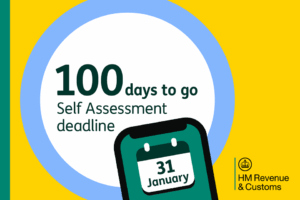
Self Assessment deadline is 100 days away
More than 3.5 million people have already filed their Self Assessment tax return for the 2024 to 2025 tax year and with 100 days to the 31 January 2026 deadline, HM Revenue and Customs (HMRC) is reminding those yet to file to do it early.

Scams warning as Self Assessment customers targeted
Scammers often impersonate HMRC, offering fake refunds or demanding urgent payments to steal personal and banking information. They may say it’s safe to share personal details. It’s not. Passwords, usernames, and access codes are private and customers should never share them, even with someone they trust or who helps them with their tax.
UK organisations stand to benefit from new data protection laws
The Data (Use and Access) Act 2025 (DUAA) has now received Royal Assent. This new legislation updates key aspects of data protection law, making it easier for UK businesses to protect people’s personal information while growing and innovating their products and services.
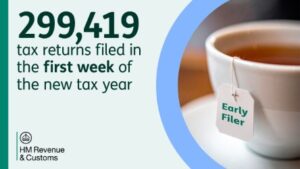
A record 299,419 returns filed in the first week of the new tax year
Self Assessment customers can submit their tax return for the 2024 to 2025 tax year between 6 April 2025, the first day of the new tax year, and the deadline on 31 January 2026.