


Pizza dough maker aims for bigger slice of market with automation
York-based pizza dough balls maker Great Balls of Flour is investing £100,000 in automation to boost productivity, double turnover and create new jobs, with Made Smarter support.
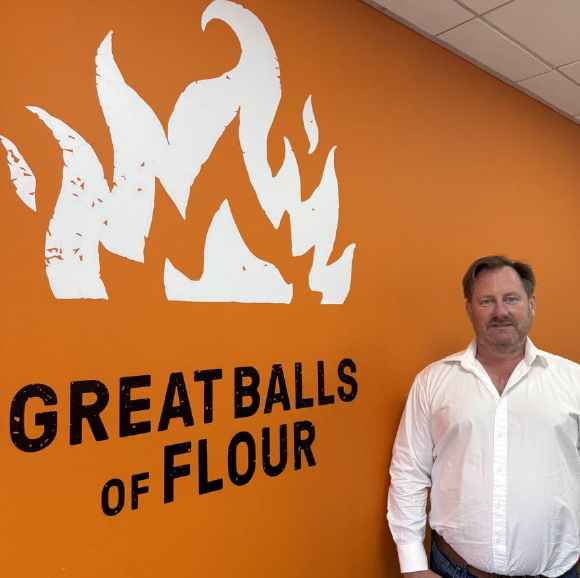
The Challenge
Founded in 2021, the business uses a small batch, 48-hour fermentation process to produce high-quality, slow-proofed frozen pizza dough balls for home pizza ovens, including Neapolitan, sourdough and gluten-free options. It also produces a range of pizza flour mixes and its own pizza “dusts” to help make restaurant-quality pizza at home.
The business employs four full-time staff and currently generates an annual turnover of around £1 million.
Led by Director James Talbot, the company has a clear growth ambition to increase turnover to £2 million within three years through automation, improved productivity and better use of skilled staff.
However, production of the flour range is constrained by a highly manual packaging process for pizza flour mixes and dusts. Weighing, filling, capping and labelling is carried out by hand, creating a critical bottleneck and limiting output.
The manual process is slow, labour-intensive and prone to inconsistency, diverting skilled staff away from the company’s automated dough ball line. Inaccurate manual weighing also resulted in higher levels of product waste, impacting both margins and environmental performance.
Without addressing this bottleneck, further scaling and growth are not achievable.
The Solution
Following engagement with Made Smarter, the company went through the digital transformation workshop process, which breaks down the digital journey into quick, iterative steps and creates a roadmap of how to get there. This identified the digital tools and technologies that can be
implemented to maximise operational processes and enhance growth, as well as any skills development needed in the business.
As a result Great Balls of Flour identified a project for a fully integrated, automated packaging line. The £100,000 investment, supported by a £20,000 Made Smarter grant, includes an automatic vacuum filling machine, automatic capping machine and automatic labelling machine, creating an end-to-end automated process.
The filler uses digital sensors and load cells to deliver precise, programmed weighing, while the capping and labelling equipment uses integrated sensors to ensure placement accuracy and print real-time batch and use-by information, meeting retailer quality and traceability requirements.
The new line operates as a dedicated, independent process and integrates with the wider operation by freeing up skilled staff currently tied to manual packaging. Output data from the equipment will also integrate with existing production planning systems, which are currently manual and spreadsheet-based, enabling more accurate inventory and capacity planning.
The Benefits
Once fully operational, the automated packaging line is expected to deliver a step change in productivity, efficiency and sustainability across the business.
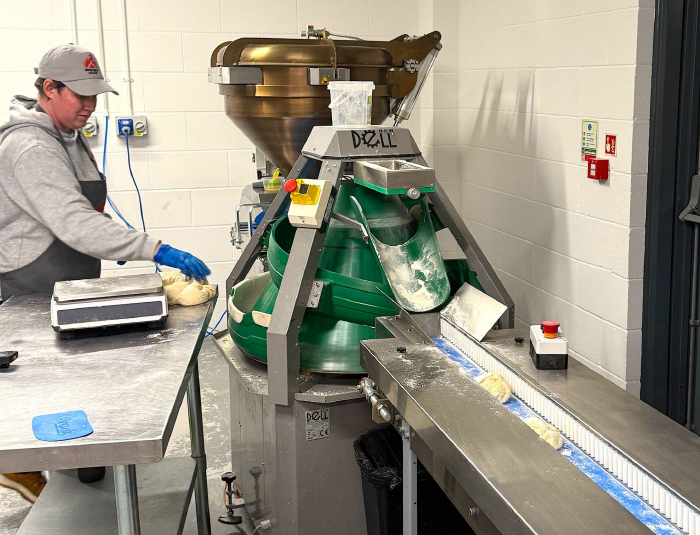
Output per person-hour is forecast to increase by up to 2,000 per cent, rising from one tube per minute to 20 tubes per minute, removing the slow, error-prone manual weighing process that previously constrained growth.
The speed of the new line, combined with the company’s existing automated dough ball production, will enable flexible multi-shift operation, allowing production to expand from an eight-hour day to 16 or 24 hours as demand requires and maximising the use of existing assets.
The precision of the digitally controlled filling system will significantly reduce product waste by eliminating inaccuracies associated with manual weighing, supporting both cost efficiency and environmental objectives.
Consolidating production into a single, efficient automated process is also expected to reduce energy consumption per unit.
At the same time, the investment will improve job quality by freeing skilled staff from repetitive manual tasks, allowing greater focus on higher-value production activities and quality control, while creating a more scalable operation capable of supporting future wholesale and export growth.
The project is expected to support revenue growth from £1 million to £2 million over the next three years, alongside the creation of new roles as capacity and demand increase.
The Future
The automation investment forms part of a wider Made Smarter journey. James Talbot has completed the Made Smarter Digital Leadership Programme, while Production Manager Steph Mallinson has also taken part in the Made Smarter Digital Champions programme, helping to embed digital skills and leadership capability across the business.
“The Digital Leadership Programme was incredibly insightful, particularly in how to manage resistance to change,” James said. “Automation can often trigger fears about redundancies, but for us it’s the exact opposite. It’s about upskilling our workforce. This course gave me the tools to communicate that our goal is to move people away from repetitive manual tasks and into more rewarding, higher-value roles.”
Great Balls of Flour has also been shortlisted for the Insider Made in Manufacturing Awards 2026, recognising its commitment to innovation, productivity and sustainable growth.
Explore Made Smarter
CardioLogic Diagnostics Wins Innovation Supper
The fifth instalment of Innovation Supper saw Faye Singleton, Director of CardioLogic Diagnostics, take home the funding after delivering a compelling pitch for her life-saving business. Winning Innovation Supper has provided CardioLogic Diagnostics with seed funding that will help tackle one of the business's biggest early challenges: marketing. The prize money will support activities such as attending industry conferences and investing in paid advertising to reach more customers and raise awareness of the importance of accessible cardiac screening.

Steps into Digital Voucher Scheme: Business Success Stories
The Steps into Digital Voucher Scheme helped businesses progress their digital transformation by providing one-to-one support that reflected their individual needs. Working with experienced digital providers, businesses were able to identify practical solutions and make meaningful improvements to the way they operated.
ETL Fluid Experts spark productivity boost with automation investment.
A North Yorkshire manufacturer of industrial filtration systems has dramatically improved production times after introducing automation to a key process, with support from Made Smarter. ETL Fluid Experts (ETL) secured almost £15,000 towards an automated wire processing centre, helping eliminate a major bottleneck in the production of wiring looms.
North Yorkshire manufacturers among firms investing £900,000 in digital tech with Made Smarter
From pizza dough and rally cars to signage, packaging and heavy machinery, makers are investing in growth and jobs. North Yorkshire manufacturers are among 19 Yorkshire businesses investing almost £900,000 in digital technologies to improve efficiency, create jobs and support future growth, with support from Made Smarter Yorkshire.
North Yorkshire manufacturers are accelerating digital progress
Through the Made Smarter Yorkshire Digital Internship Programme, delivered by Sheffield Hallam University, SMEs can access fully funded three-month placements bringing digital talent from UK universities into their businesses.
Pizza dough maker aims for bigger slice of market with automation
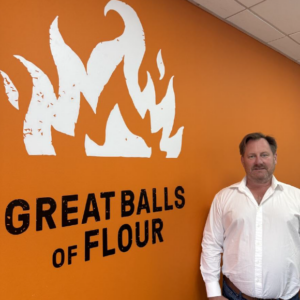
York-based pizza dough balls maker Great Balls of Flour is investing £100,000 in automation to boost productivity, double turnover and create new jobs, with Made Smarter support.
Made Smarter Backs Local Manufacturers
Manufacturing businesses across York and North Yorkshire are being encouraged to embrace digital innovation through the Made Smarter programme, a government-funded initiative that helps companies adopt new technologies and strengthen their operations.
From Lived Experience to Social Enterprise
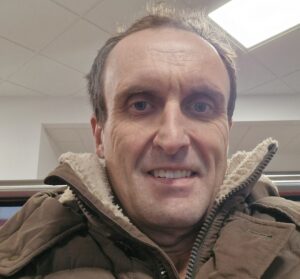
James established PLAS as a Community Interest Company (CIC), ensuring a sustainable social enterprise model that allows him to earn a wage while delivering impact-driven services. James is now building a social enterprise that provides one-to-one support for offenders, rehabilitation interviews, and workshops for legal professionals.
Scarborough Manufacturer Boosting Innovation and Skills
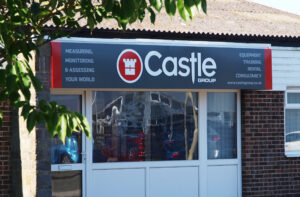
The relationship between Castle Group Managing Director Simon Bull and Made Smarter Business Relationship Manager Mike Pennington has evolved into a multi-year partnership transforming both commercial performance and regional STEM engagement.

Aberdevine, a Circular Start-up
Through the Federation of Small Businesses, Marta was introduced to Jack Colding, the Growth Hub’s Sustainability Specialist, who helped her identify crucial gaps in sustainability documentation and supply-chain transparency. Working together, they developed tailored environmental and manufacturing policies.
Building Belonging Through Business
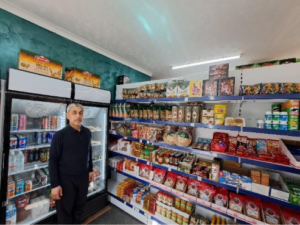
In Selby, Matthew Fisher of the Community Development Group is helping underrepresented groups turn ambition into enterprise. After securing funding to explore the experiences of local migrant communities, Matthew identified that many individuals wanted to start businesses but lacked the knowledge and support to do so.
Innovation Supper provides funding boost for First Leaf Farm
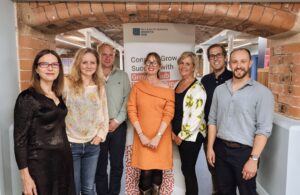
The event followed its now well-established format: attendees enjoyed supper while hearing from local entrepreneurs, each given ten minutes to pitch their business idea followed by questions from the audience. At the end of the evening, participants voted to decide which business would receive the proceeds from ticket sales, providing both a financial boost and valuable exposure to an engaged local network.