


Act now. 864,000 sole traders and landlords face new tax rules in two months
- More than 860,000 sole traders and landlords need to start using digital tax reporting from 6 April.
- Software available to help spread tax admin throughout the year, with thousands already testing the system successfully.
- Rollout forms part of the Government’s plan to transform the UK’s tax system to support economic growth.
Sole traders and landlords earning more than £50,000 from self-employment and property are being urged to act now with two months left to prepare for Making Tax Digital (MTD) for Income Tax.
From 6 April 2026, those eligible will need to use recognised software to keep digital records and send HM Revenue and Customs (HMRC) light-touch quarterly updates of their income and expenses. These are not extra tax returns.
HMRC is providing a range of free support to help people prepare, including online guidance, webinars and videos. Those who genuinely cannot use digital tools can apply for an exemption. Further information and guidance are available on GOV.UK
Free software options are available and once income and expenses are recorded, the software generates a simple summary to send to HMRC.
At the end of a tax year, those within MTD for Income Tax will still need to file a tax return by the following 31 January – but the software will already hold the information from the quarterly updates, meaning no last-minute hunt for records or receipts.
Craig Ogilvie, HMRC’s Director of Making Tax Digital, said:
“With two months to go until MTD for Income Tax launches, now is the time to act. A range of software is available and the system is straightforward and helps reduce errors. Thousands of volunteers have already used it successfully.
“This will make it easier for sole traders and landlords to stay on top of their tax affairs and help ensure everyone pays the right amount of tax.
“Spreading your tax admin throughout the year means avoiding that last minute scramble to complete a tax return every January. Go to GOV.UK and start preparing today.”
Thousands of sole traders and landlords have already signed up for MTD for Income Tax, with more than 12,000 quarterly updates successfully submitted through a voluntary testing programme.
Those joining MTD in April 2026 will still file their tax return for the 2025 to 2026 tax year in the usual way by 31 January 2027, as this covers the period before MTD begins. The first MTD tax return, covering the 2026 to 2027 tax year, will be due by 31 January 2028.
To support the transition, the government has announced that customers joining MTD for Income Tax in April 2026 will not receive penalty points for late quarterly updates, for the first 12 months.
Under the new system, penalty points will be given for each late submission, with a £200 penalty only applied once four points are reached. This means occasional slip-ups won’t result in immediate fines.
HMRC is urging those in scope of MTD for Income Tax to act now: read the guidance, choose software and sign up on GOV.UK. Those who use a tax agent should speak to them about preparing.
MTD for Income Tax will be introduced in phases for sole traders and landlords:
| Date joining MTD | Qualifying income | Q1 update due | Q2 update due | Q3 update due | Q4 update due | Self Assessment return due |
| 6 April 2026 | Earned £50,000+ during 2024-25 tax year | 07/08/2026 | 07/11/2026 | 07/02/2027 | 07/05/2027 | 31/01/2028 |
| 6 April 2027 | Earned £30,000+ during 2025-26 tax year | 07/08/2027 | 07/11/2027 | 07/02/2028 | 07/05/2028 | 31/01/2029 |
| 6 April 2028 | Earned £20,000+ during 2026-27 tax year | 07/08/2028 | 07/11/2028 | 07/02/2029 | 07/05/2029 | 31/01/2030 |
Issued by HM Revenue & Customs press office
Act now. 864,000 sole traders and landlords face new tax rules in two months
From 6 April 2026, those eligible will need to use recognised software to keep digital records and send HM Revenue and Customs (HMRC) light-touch quarterly updates of their income and expenses. These are not extra tax returns.
5.65 million still to file as the Self Assessment deadline looms
Customers can start their tax return, save it and re-visit it as many times as they need to before they submit it. And, once they’ve sent it, the bill doesn’t have to be paid straight away, but does need to be paid before the 31 January deadline. The easiest way to pay is through the HMRC app. Customers can also set up notifications in the app to ensure they know when payments are due so they don’t miss a deadline.
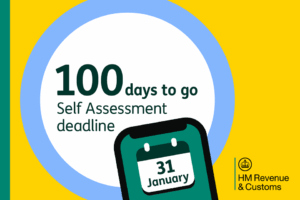
Self Assessment deadline is 100 days away
More than 3.5 million people have already filed their Self Assessment tax return for the 2024 to 2025 tax year and with 100 days to the 31 January 2026 deadline, HM Revenue and Customs (HMRC) is reminding those yet to file to do it early.

Scams warning as Self Assessment customers targeted
Scammers often impersonate HMRC, offering fake refunds or demanding urgent payments to steal personal and banking information. They may say it’s safe to share personal details. It’s not. Passwords, usernames, and access codes are private and customers should never share them, even with someone they trust or who helps them with their tax.
UK organisations stand to benefit from new data protection laws
The Data (Use and Access) Act 2025 (DUAA) has now received Royal Assent. This new legislation updates key aspects of data protection law, making it easier for UK businesses to protect people’s personal information while growing and innovating their products and services.
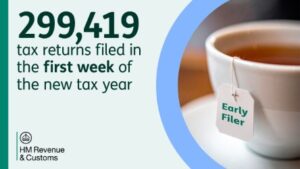
A record 299,419 returns filed in the first week of the new tax year
Self Assessment customers can submit their tax return for the 2024 to 2025 tax year between 6 April 2025, the first day of the new tax year, and the deadline on 31 January 2026.