


Autumn Budget 2025 – How will it impact your business?
This blog was written by Jo Tomlinson of Business Works.
The Autumn Budget, announced on 26 November 2025, introduced a range of changes that business owners need to be aware of. From updates to taxation and compliance rules, to adjustments in incentives and support schemes.
A Freeze on income tax and national insurance thresholds
In this Budget, it was announced that the current £12,570 threshold is frozen until at least 2031.
This freeze impacts:
- The personal allowance: £12,570
- The Primary Threshold for employee NICs: £12,570
- The basic-rate income-tax band threshold: £37,700
- The Upper Earnings Limit: £50,270
- The employers Secondary Threshold: £5,000
Tax rate increases
The rate of tax paid will be increased for sources of income that do not attract national insurance contributions.
- Dividend Income
A 2% increase with effect from April 2026
| From | To | |
| Basic Rate | 8.75% | 10.75% |
| Higher Rate | 33.75% | 35.75% |
| Additional Rate | 39.35% | 39.35% |
The dividend allowance will remain unchanged at £500
- Savings Income
A 2% increase with effect from April 2027
| From | To | |
| Basic Rate | 20% | 22% |
| Higher Rate | 40% | 42% |
| Additional Rate | 45% | 47% |
The personal savings allowance remains unchanged
From 6 April 2027 the annual ISA cash limit will be set at £12,000, within the overall annual ISA limit of £20,000. Savers over 65 will continue to be able to save up to £20,000 in a cash ISA each year.
- Property Income
A 2% increase with effect from April 2027
| From | To | |
| Basic Rate | 20% | 22% |
| Higher Rate | 40% | 42% |
| Additional Rate | 45% | 47% |
For property income over £1,000
Note: Relief for residential fiancé costs will be calculated at the property basic rate of 22%
Minimum Wage increases
The new rates will come in from April 2026
| From | To | An increase of | |
| 16 to 17 year olds and apprentices | £7.55 | £8.00 | 6% |
| 18 to 20 year olds | £10.00 | £10.85 | 8.5% |
| Those aged 21 and above | £12.21 | £12.71 | 4.1% |
Salary Sacrifice on Pension Contributions
Starting 6 April 2029, the amount of pension contributions made via salary‑sacrifice that is exempt from National Insurance Contributions (NICs) will be capped at £2,000 per year
Any salary‑sacrifice pension contributions above £2,000 in a year will be treated as ordinary pension contributions — i.e., they’ll be subject to both employee and employer NICs, just like normal salary.
Importantly: the change only affects the NIC exemption under salary sacrifice. Income tax relief on pension contributions remains unaffected.
- Employer contributions made directly (without using salary sacrifice) are not impacted by this change.
That means both employee and employer will face extra NIC costs on the excess increasing the cost of pension‑saving via salary‑sacrifice compared to before.
- As a consequence, some individuals may find salary‑sacrifice less attractive and shift toward other pension contribution methods (e.g. employer-direct contributions, or after‑tax personal contributions).
Business Rates
In the Budget, there was an announcement of a new lower retail, hospitality and leisure multiplier.
These reduction come at the same time as:
- A revaluation of all non-domestic properties in England & Wales from April 2026
- The Retail, Hospitality and Leisure Relief introduced during the pandemic is due to end on 31 March 2026. This is currently 40%.
Transitional arrangements have been brought in to support these businesses over the next 3 years. These will:
- Cap the revaluation increases
- The grace period under the Small Business Rates Relief (SBRR) scheme is being extended, so that businesses will keep the SBRR on their first property for three years after they take on a second property (previously one year)
Transitional Relief Caps (from 2026 revaluation)
| Maximum bill-increase | |||
| Rateable Value | 26-27 | 27-28 | 28-29 |
| Up to £20k | 5% | 10% + Inflation | 25% + Inflation |
| £20k-£100k | 15% | 25% + Inflation | 40% + Inflation |
| Over £100k | 30% | 25% + Inflation | 25% + Inflation |
There are different numbers for London.
Capital Allowances
A new 40% First Year Allowance was announced for qualifying expenditure on “main-rate” plant and machinery assets from 1st Jan 2026
This will not cover cars or second-hand assets, but will include assets bought for leasing and expenditure by unincorporated businesses (sole traders and partnerships).
This allows 40% of the cost of qualifying expenditure to be claimed in the same year of making the purchase.
Annual Investment Allowance remains unchanged.
The standard writing down allowance rate for the main-pool of plant and machinery is to be reduced from 18% to 14% from April 2026
Extension of first-year allowances for zero-emission cars and charging points one year to April 2027.
Other Changes
There will be a change to the order of taxation for the purpose of income tax calculations. The new order is:
- Income which is not property, savings or dividend income; then
- Property income; then
- Savings income; then
- Dividend income
Business Asset Disposal Relief
The allowance is unchanged with a lifetime allowance of £1 million, and the rate will increase from 14% to 18% as previously announced from 6th April 2026
Corporation Tax filing penalties are being doubled from April 2026
| From | To | |
| Late return | £100 | £200 |
| More than 3 months late | £200 | £400 |
| Three successive failures | £500 | £1,000 |
Fully funded training for apprenticeships for under 25 year olds.
Making Tax Digital for Income Tax: The First Deadline is Fast Approaching
With the introduction of Making Tax Digital for Income Tax Self Assessment (MTD for ITSA), the biggest change to the Self Assessment system in a generation is now underway. Although the mandatory start date of April 2026 has arrived for the first group of taxpayers, many self-employed individuals and landlords are still unprepared for the new requirements. Now is the time to check whether the rules apply to you and, if they do, ensure you have the right systems in place.

Autumn Budget 2025 – How will it impact your business?
The Autumn Budget, announced on 26 November 2025, introduced a range of changes that business owners need to be aware of. From updates to taxation and compliance rules, to adjustments in incentives and support schemes.

Risk and Resilience in Your Business
Running a business can be risky. There are so many things that can impact your performance, and profit. Potentially destroying all that you worked so hard to build. Some of these things are impossible to plan for, but lots of potential risks can be mitigated by identification and planning.
Business Basics – Cash Flow v Profit
Many small business owners can get confused when looking at numbers relating to their business, and often this is due to cash and profit being understood as one and the same thing. It is crucial to understand the difference between these two metrics so that decision making is not flawed.
Business Basics – Project Evaluation
Projects can be anything from taking on a new person, or launching a new product, to building a manufacturing site, or acquiring a business to merge with the current one. How you evaluate each project can vary depending on size and complexity. But undertaking the exercise leads to better decision making and control.
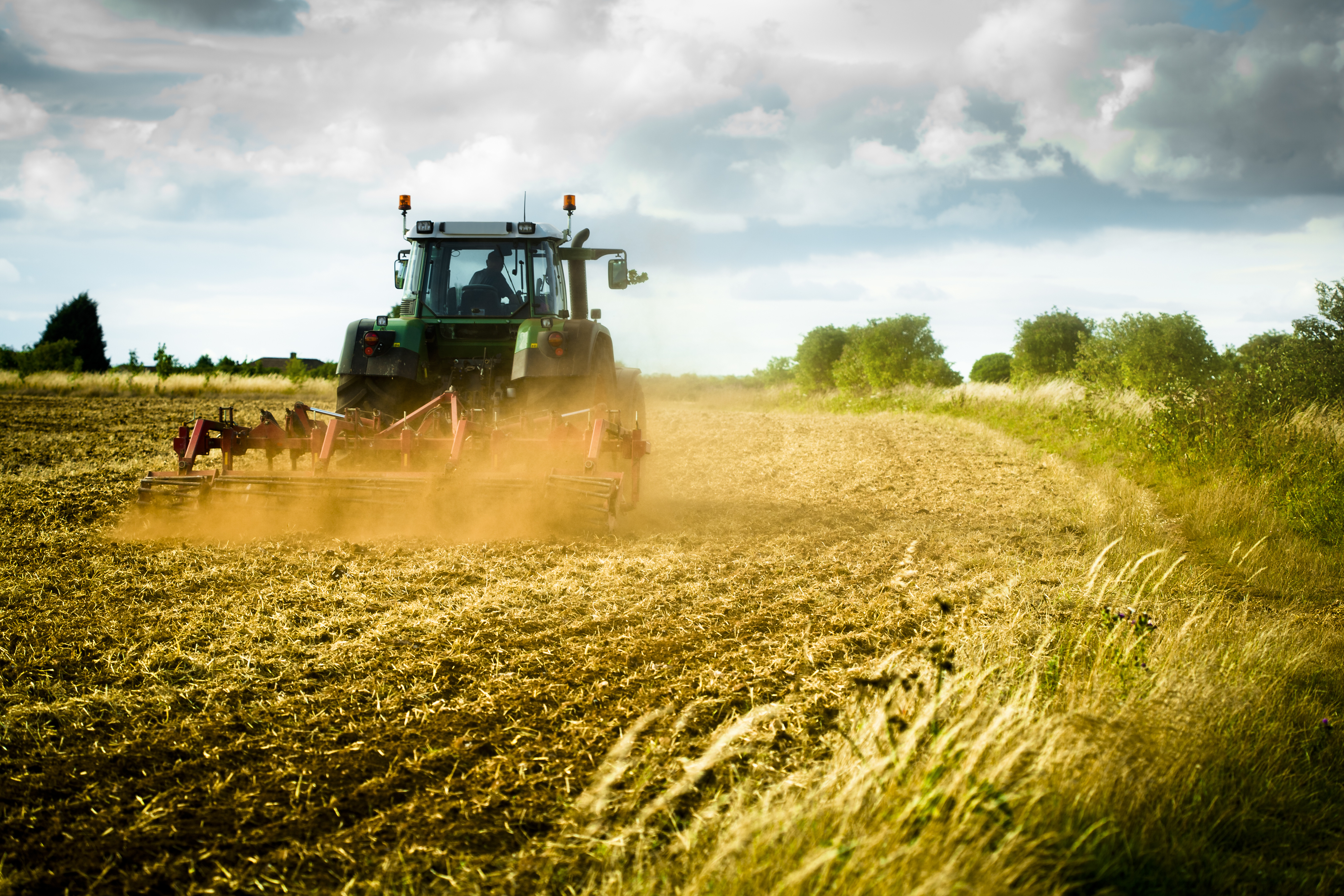
Building Resilience and Sustainability into your Farming Business
Resilience and sustainability lie at the heart of modern farm business strategies, ensuring that agricultural enterprises can withstand economic shocks, adapt to evolving environmental regulations, and maintain profitability amid climate volatility. By embedding sustainable practices, ranging from energy efficiency to regenerative soil management, farmers not only safeguard their livelihoods but also contribute to broader goals of food security and environmental stewardship.
Business Basics – Shared Ownership
Directors and shareholders of UK companies have many rights and responsibilities, but how do these change when you are one of a number of shareholders in a company?
Business Basics – Selling a Business or Shares in a Business
Being aware of your business's value enables you to determine a fair selling price for some or all of your shares and negotiate efficiently with prospective buyers. But where do you find a buyer for your shares, and what happens now?
Business Basics – How much is your Business Worth
Being aware of your business's value enables you to determine a fair selling price for some or all of your shares, negotiate efficiently with prospective buyers, and secure beneficial financing deals, among other advantages.
Business Basics - Forecasting
Although we don’t have a crystal ball, so forecasts are fundamentally informed guesses, businesses need to use them to make informed business decisions and develop business strategies.
Business Basics – Accessing Capital for Growth
Gaining access to outside investment means you don’t have to give up on your dream. So how do you prove to any potential investor that your business model is worth
Farm Diversification: Where to start
According to DEFRA, 71% of farm businesses in 2023/24 have some form of diversified activity, up from 61% in 2014/15. Income from these activities produced £1.393 billion in 23/24, up from £1.321 in the previous year. This demonstrates how important these income streams have become.

Young Entrepreneur Guide
Do you have a business idea? Or do you want to work for yourself? Then the Young Entrepreneur Guide is here to help you!